Dealer or online purchase
Arrange the release contact, paperwork and available collection window.
VEHICLE TRANSPORT · GRAND VALLEY
High roofs, long wheelbases, service equipment and fleet schedules need a specific transport review. Grand Valley coordinates commercial van moves around the vehicle, the route and the people managing the handover.
THE SHORT ANSWER
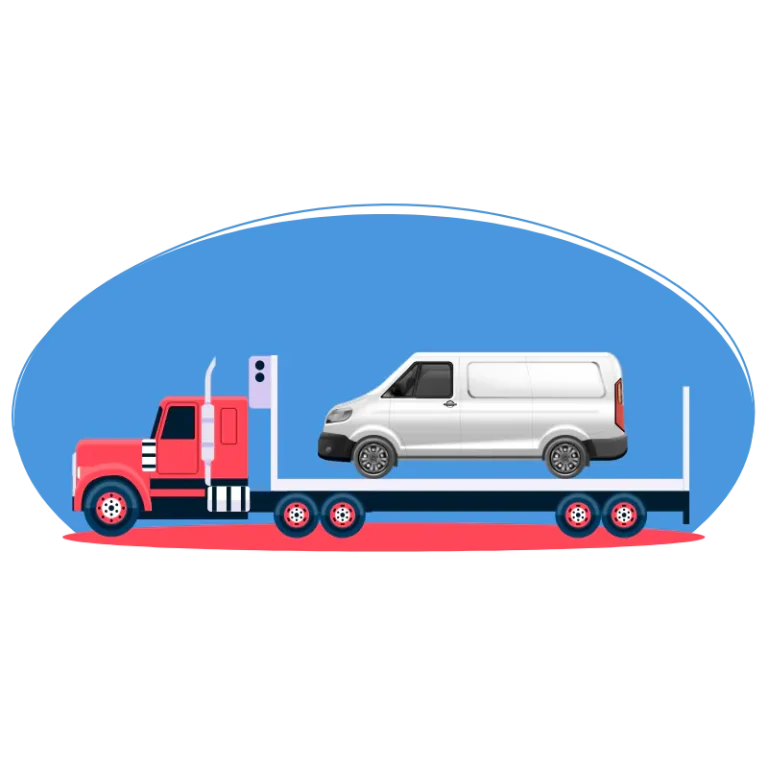
Commercial van transport moves the vehicle itself. Tools, stock and delivery cargo are not automatically part of the shipment. Fixed upfits, roof equipment and permanently installed systems should be declared because they can change weight and height. Provide the actual measurements, operating condition and contact details for the dealer, upfitter, yard or business releasing the van. For several vehicles, list the specifications and availability of each unit.
LET’S PLAN YOUR MOVE
Tell us the route. We’ll take it from here.
01 / YOUR TRANSPORT GUIDE
Commercial van transport moves the vehicle itself. Tools, stock and delivery cargo are not automatically part of the shipment. Fixed upfits, roof equipment and permanently installed systems should be declared because they can change weight and height.
Provide the actual measurements, operating condition and contact details for the dealer, upfitter, yard or business releasing the van. For several vehicles, list the specifications and availability of each unit.
02 / YOUR TRANSPORT GUIDE
Choose the situation closest to your move, then tell us what is different about your shipment.
Arrange the release contact, paperwork and available collection window.
Coordinate completion dates, fitted equipment and loading instructions.
Plan the number of units and individual delivery contacts.
Keep the vehicle move separate from transporting business stock and loose tools.
03 / YOUR TRANSPORT GUIDE
The examples below are a starting point. Equipment fit and availability are confirmed for the actual shipment.
Confirm the actual roof height, wheelbase and total transport dimensions.
Declare body length, operating weight and permanently fitted equipment.
Racks, workshop fittings and roof-mounted items need to be included in the assessment.
Seat configuration, dimensions and collection arrangements.
Box bodies, conversions and specialist systems can change trailer fit.
Explain steering, braking, rolling condition and loading support.
04 / YOUR TRANSPORT GUIDE
Review the options with the transport team and confirm the arrangement in your written quote.
| Transport option | When it may be considered | Information required |
|---|---|---|
| Open vehicle carrier | A van that fits the available carrier. | Height, length, width, weight and running condition. |
| Enclosed equipment | A suitable van with a covered-transport requirement. | Internal clearance and loading access. |
| Flatbed or step deck | Larger, taller or specially configured vans. | Transport height, loading method and restraint points. |
| Specialist arrangement | Complex, oversized or non-running vehicles. | Detailed dimensions, condition and site support. |
05 / YOUR TRANSPORT GUIDE
A useful quote reflects the actual shipment. Send the route, specifications and preferred dates rather than relying on a generic price.
Pickup and delivery locations affect the journey, available capacity and access. Give exact cities or ZIP codes, including rural or restricted sites.
The commercial van must fit the selected equipment. Supply actual dimensions and declare modifications, accessories or permanently installed systems.
Starting, rolling, steering and braking condition influence loading. Explain any fault before the quote is confirmed.
Open, enclosed, carried or specialist arrangements have different equipment requirements. Confirm the service requested.
A preferred window helps planning. Fixed release deadlines, seasonal demand and short-notice requests should be discussed early.
Road restrictions, available loading equipment, contact hours and staging space can affect the collection and delivery plan.
06 / YOUR TRANSPORT GUIDE
A model name alone does not describe every commercial van. Include roof racks, ladders, refrigeration units, solar equipment and other additions in the measurements. Confirm what can be removed and what must stay installed.

07 / YOUR TRANSPORT GUIDE
A clear sequence keeps collection, transport and receipt connected.
Provide the route, commercial van specifications, condition and preferred dates.
Confirm the service, equipment requirements, collection arrangements and written terms.
The releasing contact completes the agreed handover and condition record before the journey.
The receiving person checks the commercial van, compares the pickup record and completes receipt.
08 / YOUR TRANSPORT GUIDE
Use the agreed instructions for your particular shipment. Raise any change in condition or access before collection day.
09 / YOUR TRANSPORT GUIDE
Keep the written service details, carrier information and condition reports with your booking. Ask the team to explain the applicable transport coverage, any exclusions and the procedure for reporting a concern.
Your Tracking page shows the latest status and location recorded for the shipment. Use the order reference for an overview and My Account for the details linked to your booking.
10 / YOUR TRANSPORT GUIDE
A few practical answers before you request a quote.
Actual dimensions, weight and condition are needed to assess suitable equipment.
Provide a unit list with individual specifications, release dates and destinations for coordinated planning.
Do not assume cargo is included. Remove loose items unless specifically approved as part of the shipment.
Provide the completion date, site contact, release procedure and fitted equipment details.
That depends on the actual roof height, length, weight and configuration. Equipment must be reviewed.
This page concerns transporting the van as a vehicle. Business cargo requires separate arrangements.
The route, equipment, collection window and operating conditions influence timing. Your coordinator confirms an estimate for the agreed shipment.
A responsible releasing contact and a receiving contact should be arranged so access, inspection and paperwork can be completed.
LET’S PLAN YOUR MOVE